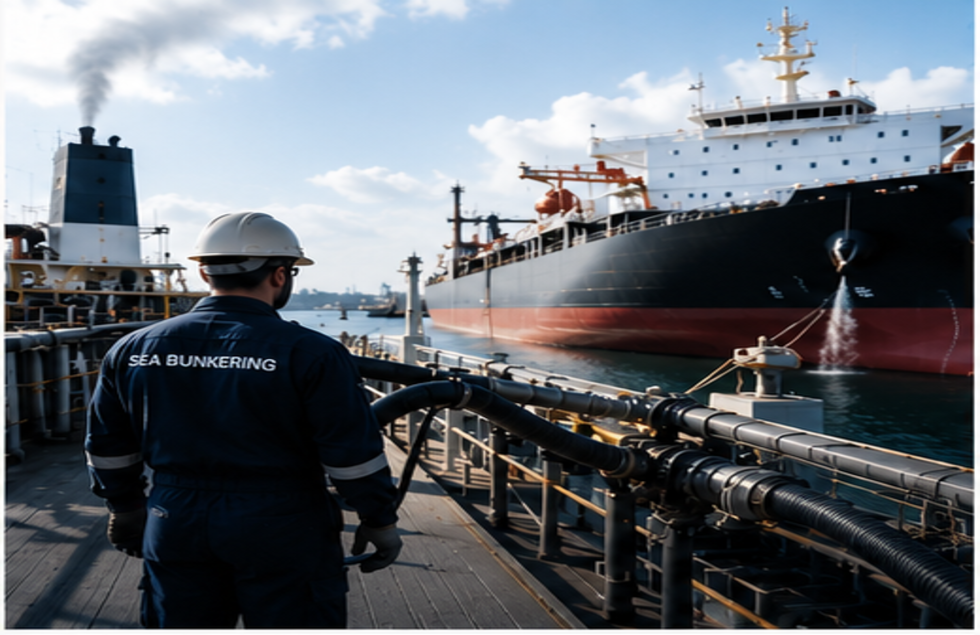
Bunkering operations remain one of the most critical components of modern maritime logistics. Across global shipping networks, fuel coordination directly impacts operational continuity, scheduling efficiency, and overall vessel performance.
As maritime operations become increasingly time-sensitive, dependable bunkering support has become essential for maintaining uninterrupted commercial activity.
The Operational Importance of Bunkering
Marine fuel coordination involves far more than fuel transfer alone. Effective bunkering operations require:
- logistical precision,
- scheduling coordination,
- operational communication,
- safety awareness,
- and infrastructure reliability.
Any disruption within this process can impact shipping schedules, offshore operations, and broader supply chain performance.
Increasing Pressure on Maritime Operations
Global shipping continues to face:
- tighter schedules,
- evolving environmental regulations,
- fluctuating fuel markets,
- and growing operational complexity.
As a result, shipping operators increasingly prioritize fuel partners capable of supporting responsive and professionally coordinated operations.
Infrastructure and Coordination
Modern bunkering operations rely heavily on:
- terminal access,
- storage capability,
- marine logistics networks,
- and coordinated operational planning.
Infrastructure-focused support allows operators to maintain continuity while adapting to changing operational requirements.
Safety and Professional Standards
Safety and compliance remain essential across all maritime fuel handling activities.
Professional bunkering support requires:
- disciplined operational processes,
- communication,
- governance awareness,
- and responsible handling standards.
Operational trust is built through consistency, coordination, and reliability.
Supporting the Future of Maritime Logistics
As shipping networks continue evolving, bunkering operations will remain central to global maritime activity.
The future of the sector will increasingly depend on:
- operational adaptability,
- logistics coordination,
- infrastructure support,
- and long-term reliability across maritime energy operations.